UptimeObserver is now a Cloudflare Verified Bot
UptimeObserver is now listed as a verified bot in the Cloudflare Radar Bot Directory, under Monitoring & Operations. We’ve implemented Web Bot Auth to cryptographically sign our HTTP monitoring requests, allowing Cloudflare to verify that they come from UptimeObserver. Why this matters Website security tools can sometimes block or challenge legitimate monitoring requests. When that happens, a check […]
October 12, 2026 · 10:59 pm
Let’s Encrypt Will Switch to 64-Day SSL Certificates in February 2027
Let’s Encrypt will shorten its default SSL/TLS certificate lifetime from 90 days to 64 days on February 10, 2027. Website owners should review their renewal automation, certificate deployment, and expiration alerts before the change takes effect. In its October 7 announcement, Let’s Encrypt confirmed that certificates issued or renewed from that date will use the shorter lifetime […]
October 8, 2026 · 7:14 am
Common TLS Certificate and Handshake Errors: What They Mean and How to Fix Them
Note: Although the modern protocol is Transport Layer Security (TLS), the industry still commonly refers to TLS certificates as “SSL certificates.” TLS errors can be frustrating because browsers often reduce a complex certificate or handshake failure to a short message such as “Your connection is not private” or “SSL protocol error.” The important thing to understand is that […]
August 15, 2026 · 12:36 am

How to Write an Incident Communication Plan (With Free Templates)
I built UptimeObserver because I was tired of finding out my projects were down via angry DMs on Twitter. The worst part wasn’t fixing the server; it was trying to write a professional, calm status update while privately panicking. Downtime is inevitable. Whether it’s a botched deployment, a server overload, or an expired SSL certificate, […]
April 12, 2026 · 12:14 am
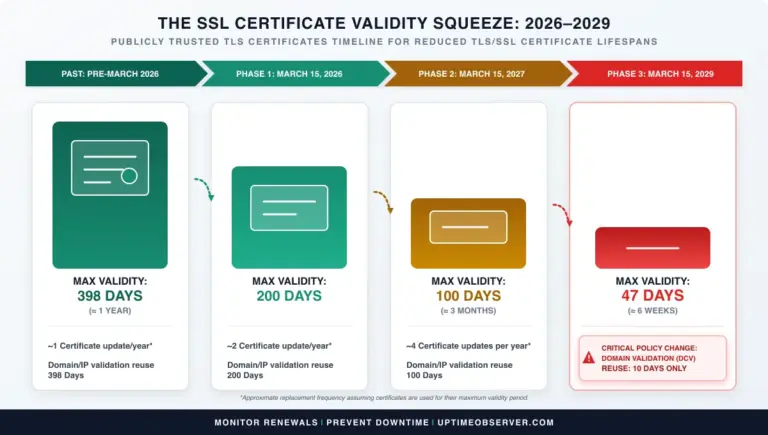
SSL Certificate Validity Changes in 2026
If you’ve recently issued a new SSL/TLS certificate and noticed the expiration date is much sooner than expected, you aren’t alone. As of March 15, 2026, the industry has officially moved away from the 398-day (one-year) standard. We have entered a phased “step-down” period mandated by the CA/Browser Forum (Ballot SC-081). This represents one of […]
7 Leading Causes of Downtime and Proven Prevention Strategies
Website downtime doesn’t just inconvenience users. it costs businesses dearly. A widely-cited Gartner study found, in 2014, that downtime costs an average of $5,600 per minute, but more recent research shows costs have risen significantly. According to a 2024 EMA Research study prepared for BigPanda, the average cost has climbed to $14,056 per minute, with […]
November 6, 2025 · 11:46 pm
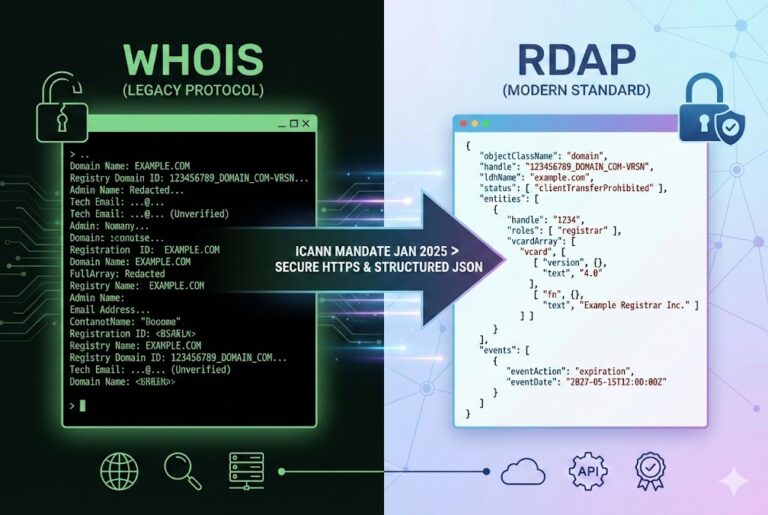
RDAP: The Modern Replacement for WHOIS
Introduction For decades, WHOIS was the only way to look up domain ownership. However, as of January 28, 2025, ICANN officially mandated the transition to RDAP (Registration Data Access Protocol) for all generic Top-Level Domains (gTLDs). If you are still relying on legacy WHOIS tools, you are using a protocol that is officially considered “legacy.” Here is everything […]
October 26, 2025 · 2:06 pm
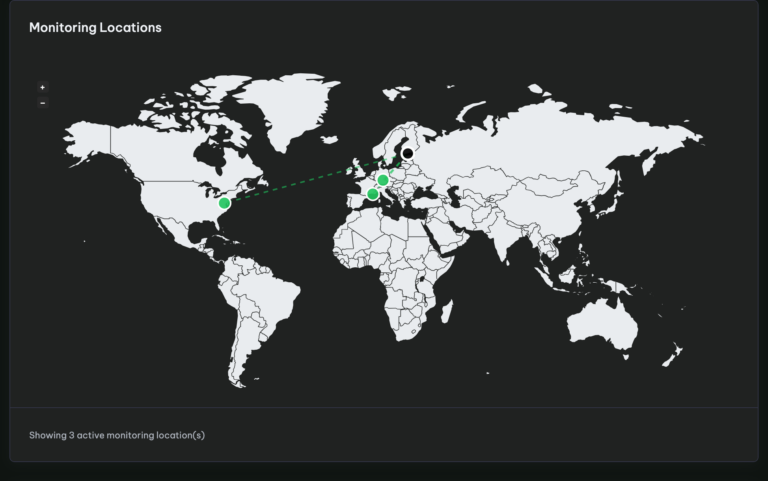
Multi-Location Monitoring: Why Geographic Distribution Matters
Did you know that a one-second delay in page load time can reduce conversions by up to 7%—and that performance varies dramatically by region? Your website serves users from every corner of the globe. Yet many businesses still rely on single-location monitoring, leaving themselves blind to regional performance issues that could be costing them customers […]
Webhook Alerts Now Available in UptimeObserver
We’re thrilled to announce the launch of Webhook Alerts—a powerful new way to automate your monitoring workflows and respond to incidents faster with UptimeObserver. What Are Webhook Alerts? Webhook alerts let you automatically send real-time HTTP requests to any endpoint when specific monitoring events occur—like uptime changes, latency spikes, or service outages. With webhooks, you […]
Let’s Encrypt Is Ending Expiration Email Alerts
Let’s Encrypt announced in January that starting June 4, 2025, they will no longer send certificate expiration notification emails. This marks a shift in how site owners and admins must ensure their HTTPS certificates are up to date — no more last-minute email alerts to save you from an expired cert and a flood of […]
April 18, 2025 · 12:44 am
